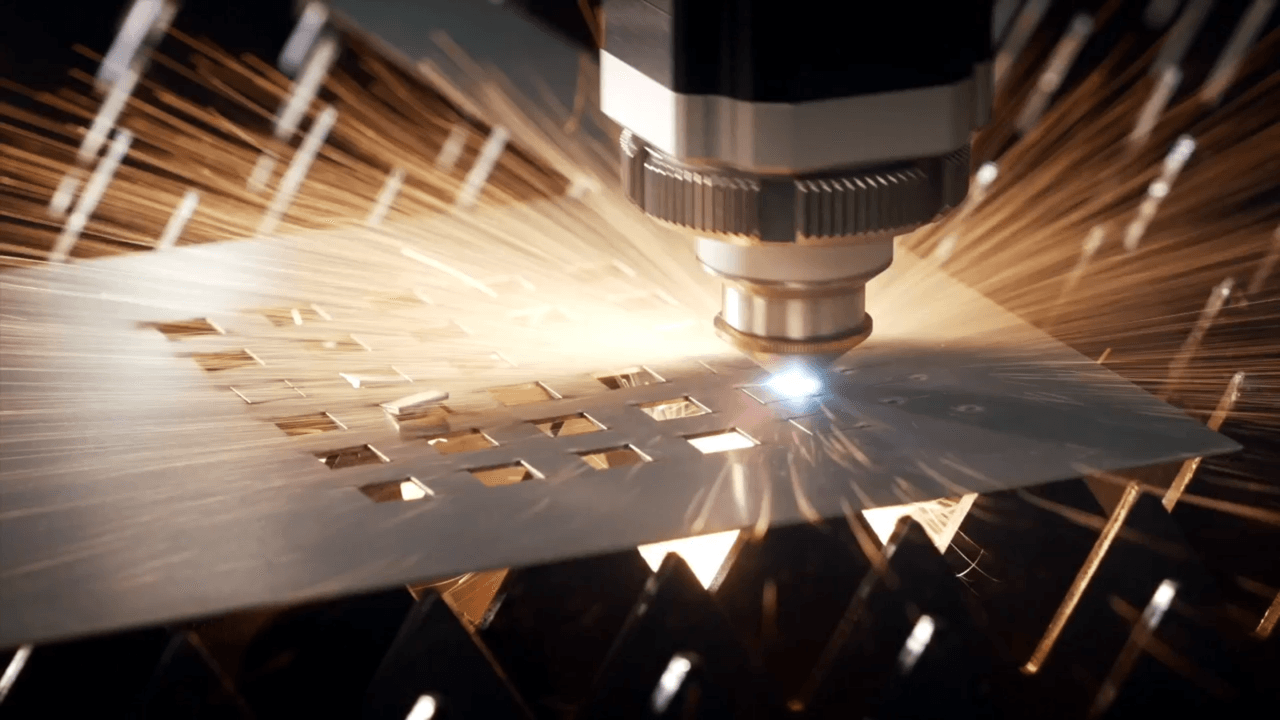
When looking for laser cutting machine recommendations, buyers should compare more than just brands and prices. The key is determining whether the equipment type matches the factory’s actual production requirements. Off-the-shelf, standard, and custom-built machines differ significantly in lead time, cost, configuration flexibility, automation integration, and suitable production volumes. This guide will help you select the right laser cutting system based on material type, sheet thickness or tube diameter, production volume, and production line integration requirements.
With a myriad of choices between laser machines in the market, it helps to understand that manufacturers generally offer three tiers of machines: off-the-shelf, standard, and customized / application-specific. Confusing one for another is one of the most common — and costly — mistakes buyers make during procurement.
Understanding the real differences between these three categories helps buyers avoid two expensive outcomes: overpaying for capability they'll never use, or underbuying a machine that can't actually do the job it was purchased for.
1. Off-the-Shelf: Built for Speed of Acquisition
Off-the-shelf machines are pre-built, sitting in inventory, and ready to ship with little or no lead time — a fixed bed size, power range and set of options chosen by the manufacturer to appeal to the widest possible range of buyers.
Strengths:
- Fastest possible delivery — no engineering or production lead time required
- Lower price point, since there's no custom engineering cost to absorb
- Simplicity: one configuration, minimal decision-making
Tradeoffs:
- Buyers get whatever configuration is in stock, not necessarily the one best suited to their materials or workflow
- Limited flexibility for unusual material types, thicknesses, or part geometries
- Little to no room to adjust bed size, power, or automation after the fact
- Generally built to lower precision and tolerance standards, since tight-tolerance engineering works against the low-price, high-volume model
Off-the-shelf machines make the most sense for buyers with generic cutting needs, tight timelines, or budget constraints — shops running common materials and standard part sizes who need a machine on the floor quickly rather than a perfectly tailored solution.
2. Standard: The Configured Middle Ground
Standard machines are manufacturer-defined models with a published, fixed spec sheet — but unlike off-the-shelf units, they're typically built to order within a defined set of configuration options: a few bed sizes, laser power tiers, or accessories such as exchange tables, auto-focus heads and camera positioning systems, always within the manufacturer's pre-engineered menu.
Strengths:
- More flexibility than off-the-shelf, without full custom-engineering cost or complexity
- Proven, repeatable engineering — validated across many units
- Often includes standard modules for automation, software and ERP integration
- Reasonable lead times, since production follows an established build process
Tradeoffs:
- Limited to the options the manufacturer has predefined
- Not ideal for unusual materials, part geometries, or workflows outside the model's intended use
- Some buyers end up paying for features they don't need just to get the one option they do need
Standard machines are the right fit for the majority of general fabrication shops — businesses with clear, known requirements that happen to align well with common industry configurations.
3. Customized / Application-Specific: Engineered Around the Job
Customized machines are designed — sometimes from the ground up — around a particular part, material, production volume, or workflow: a non-standard bed size, integration with existing material handling or automation systems, tooling for unusual materials (reflective metals, extreme thicknesses, mixed-material runs), or software tuned to a specific production process.
Strengths:
- Precisely matched to the buyer's actual production requirements, not a generic use case
- Can integrate with existing automation, ERP, or material handling systems
- Capable of handling edge cases that off-the-shelf or standard machines simply can't
Tradeoffs:
- Longer lead times, since engineering and validation happen specifically for that build
- Lower flexibility for changing parts or designs, including longer setup times
- Higher cost, reflecting engineering time and reduced economies of scale
- Requires closer buyer–manufacturer collaboration during the design phase
Application-specific machines make sense for buyers running high-volume specialized production, unusual materials, or workflows where a generic machine would create a bottleneck or quality issue.
Midnight Industrial's automated tube laser cutting line in production.
How to Decide
The right category isn't about budget alone — it's about how well-defined and how unusual the buyer's actual production requirements are.
| Factor | Off-the-Shelf | Standard | Custom / Application-Specific |
|---|---|---|---|
| Lead time | Shortest | Moderate | Longest |
| Cost | Lowest | Mid-range | Highest |
| Configuration flexibility | Minimal | Moderate | Full |
| Precision & tolerance | Lower | Moderate to high | Highest, engineered to the application |
| Engineering emphasis | Cost and volume | Proven, repeatable design | Purpose-built around the application |
| Best for | Generic, urgent needs | Common industry use cases | Specialized production or unusual requirements |
| Representative manufacturers* | Many mass-market Chinese laser brands, built primarily to compete on cost and volume | Trumpf, Amada, Midnight Industrial, Bystronic — established engineering specs with defined, repeatable configurations | Prima Power, Salvagnini — known for flexible, automation-integrated systems, though both also offer standard configured lines |
* This reflects general market positioning rather than a strict classification — most "standard" manufacturers also offer custom engineering for larger accounts, and "custom" builders also sell configured standard models. Buyers should verify current capabilities directly with each manufacturer.
A shop buying its first laser cutter for common sheet metal work in standard thicknesses will likely be well served by a standard configuration. A production line running a proprietary part geometry at high volume, or cutting non-standard materials, is far more likely to need — and get real ROI from — a customized, application-specific build.
The mistake isn't choosing off-the-shelf, standard, or custom — it's choosing the wrong one for the actual production requirement. Buyers should start by defining their real constraints — material types, part geometry, volume, integration needs — before looking at a spec sheet. The category of machine should follow from those requirements, not the other way around.